

If you’ve ever found a box of whitening strips in your cabinet and wondered whether it’s still worth using, the short answer is yes—whitening strips do expire. Their peroxide-based whitening ingredients lose potency over time, so expired strips may whiten teeth more slowly, deliver less noticeable improvement, or leave you with uneven results even when the strips still look normal.
For anyone who uses whitening strips and wants to know whether older ones are still effective or safe, the issue is not just the printed date. Weaker peroxide can change the result you get, and using old strips may also increase the chance of tooth sensitivity or gum irritation. In this guide, we’ll explain how whitening strips work, why they expire, how to tell when a box is too old, how storage affects shelf life, what to do if you have expired strips, and what alternatives to strips may make more sense.
Find a Fresh Start for Your Smile
Key Takeaways
-
Whitening strips do expire because active ingredients such as hydrogen peroxide and carbamide peroxide lose potency over time.
-
Expired teeth whitening strips are more likely to give reduced effectiveness, slower whitening, or uneven results.
-
Old peroxide is not automatically harsher. The bigger sensitivity risk comes from wearing weak strips longer or using more sessions to compensate.
-
Heat, direct sunlight, air, and moisture exposure can shorten the useful shelf life of peroxide-based whitening gel.
-
Check the expiration date, packet condition, and storage history together before using an old box.
-
Fresh SNOW Dissolving Teeth Whitening Strips remove degraded peroxide from the equation when predictable results matter.
Why Teeth Whitening Strips Expire
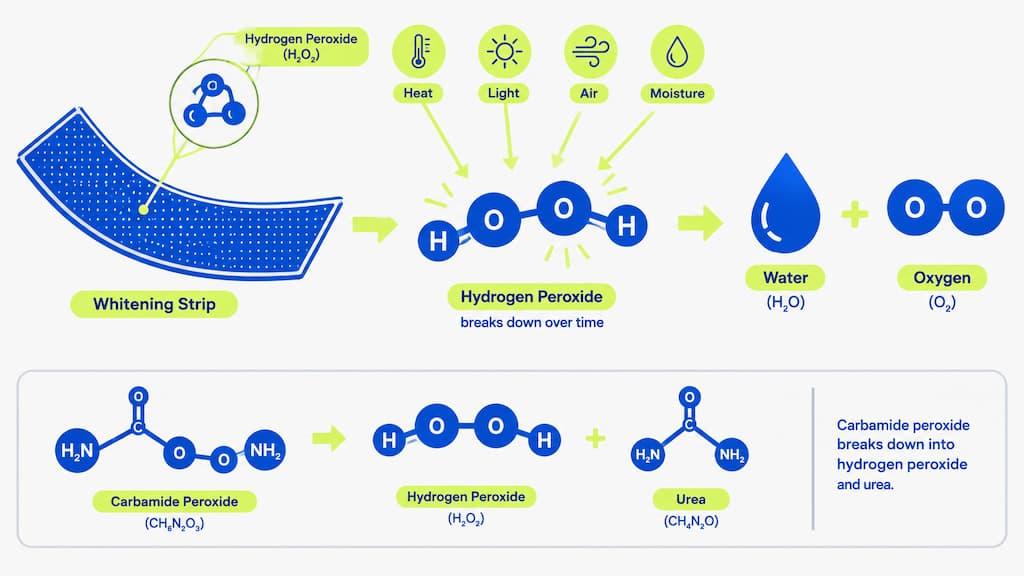
Most teeth whitening strips use a peroxide-based whitening gel. Hydrogen peroxide acts as an oxidizer that reacts with colored compounds in and around the tooth, helping lift visible stains. Some whitening products use carbamide peroxide, which breaks down into hydrogen peroxide and urea and releases peroxide more gradually. Our guide to how whitening strips work explains the normal whitening process in more detail.
The flexible strip is mainly just the delivery system. It holds the active ingredients directly against your teeth for a controlled amount of time. The peroxide is the part doing the chemical work, and it doesn’t stay equally potent forever.
Hydrogen peroxide gradually decomposes into water and oxygen. Heat, light, air, and moisture can speed that process. Carbamide peroxide has the same practical issue because its whitening action still depends on the peroxide it releases.
So a whitening strip doesn’t suddenly become useless at midnight on its expiration date. Rather, its active ingredients become less dependable over time, and that gradual drop is what changes the result.
What Old Peroxide Actually Does to Your Whitening Results
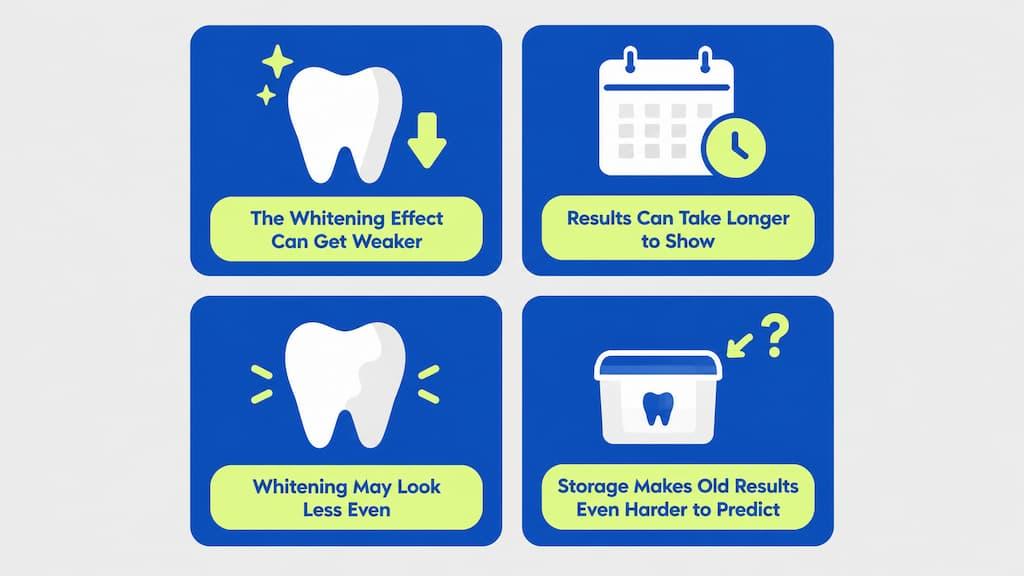
As peroxide loses potency, the first thing to change is usually performance. The strip may still stick. The gel may still be there. Your teeth may simply get less whitening results from the same routine, which is why an old box can look completely usable and still underdeliver.
The Whitening Effect Can Get Weaker
With less active peroxide available, old whitening strips are worse at removing stains and can produce less noticeable improvement. You might finish a session and see very little movement in tooth color, without the desired results, even if the same product worked well when it was fresh. Stubborn stains can make that drop in performance even easier to notice.
Results Can Take Longer to Show
As strips lose potency, a normal whitening routine can feel like it’s stalled and results may take longer to show. That’s where people get tempted to add more strips, extend the wear time, or squeeze in extra quick touch-ups.
Whitening May Look Less Even
Age can affect more than peroxide potency. If the gel dries or the flexible pieces no longer sit as smoothly, some areas may get better contact than others. That can create patchy or uneven results instead of the more consistent whitening effect you expected.
Storage Makes Old Results Even Harder to Predict
Two boxes with the same expiration date may not age the same way. One might have stayed sealed in a cool drawer. Another might have spent a year beside a steamy shower or in direct sunlight.
That’s why an expiration date is only part of the story. Age tells you how long the product has been around. Storage tells you what happened to the formula and its chemical composition while it was waiting.
Put together, degraded peroxide usually means one thing: less confidence in the result. You may still get some whitening, but not the brighter smile or radiant smile you expected from a fresh product, and with less reason to expect the same speed, evenness, or noticeable improvement you would from an in-date product.
Can Expired Whitening Strips Cause More Tooth Sensitivity?
Not automatically. An expired strip doesn’t become stronger just because it is old, though trying to make up for weak results can raise oral health concerns when overuse leads to irritation.
As peroxide loses potency, the more realistic sensitivity problem is what can happen when you try to compensate for a weak result.
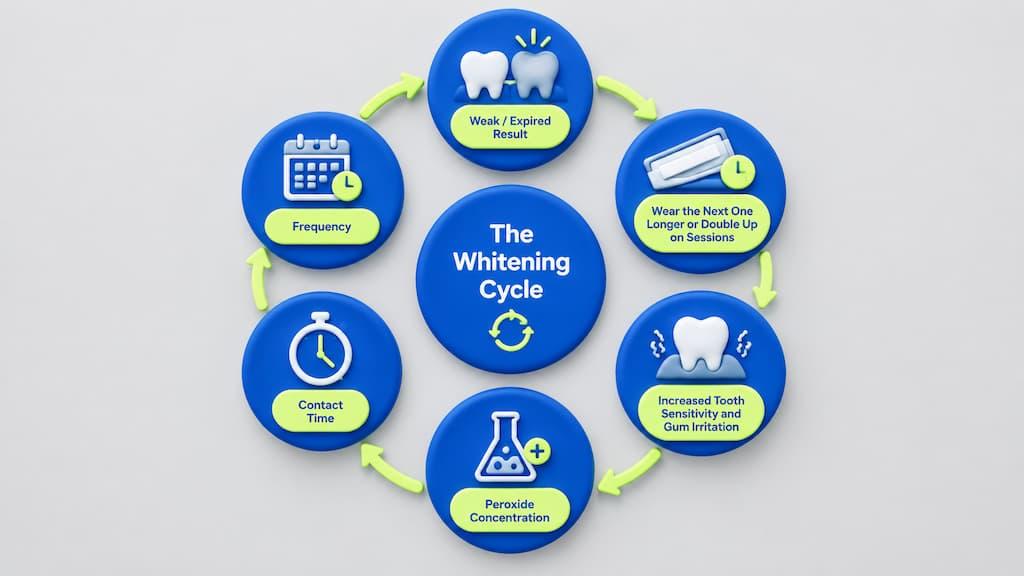
Peroxide concentration, contact time, and frequency all affect tooth sensitivity and gum irritation, and clinical reviews of peroxide whitening identify tooth sensitivity and gingival irritation as common adverse effects of bleaching.
If an old strip barely changes your tooth color, don’t wear the next one longer or double up on sessions. Increased tooth sensitivity or irritation of the gums and other soft tissues isn’t a useful trade for trying to squeeze more whitening out of degraded gel.
Follow the labeled directions and stop if you experience pain, significant discomfort, or sensitivity. If symptoms persist or worry you, speak with a dentist. Expiration is mainly a performance problem. Overuse can turn it into one with health risks.
So, Can You Use Expired Whitening Strips?
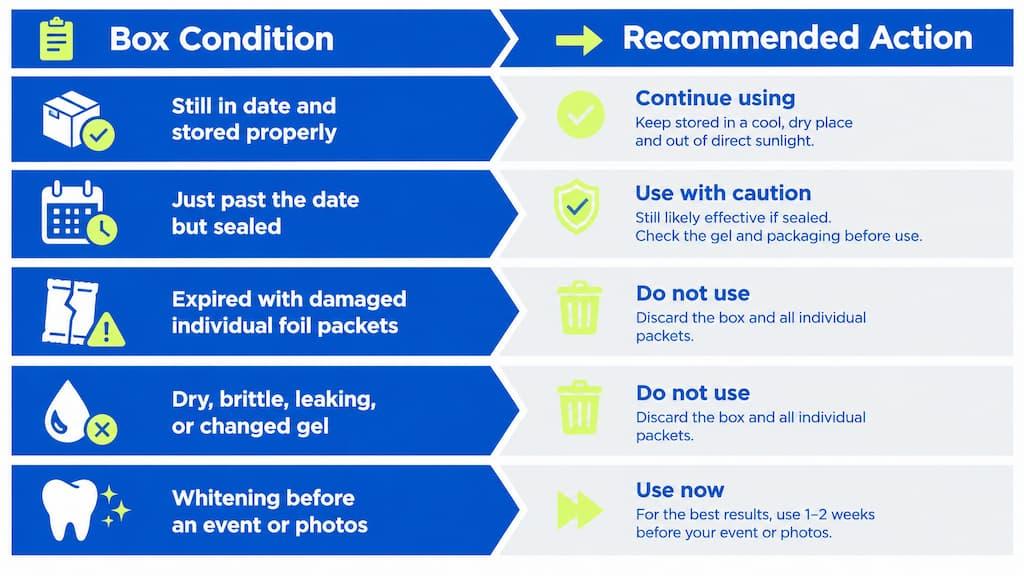
You may still get some whitening from expired strips, but the result becomes less predictable as the active ingredients lose potency. Whether that gamble is worth it depends on the condition of the box and how much you care about the outcome.
-
Still in date and stored properly: Follow the product directions and use the strips normally.
-
Just past the date but sealed: Expect that the whitening effect may be weaker, and do not compensate with longer wear.
-
Expired with damaged individual foil packets: Replace the strips because air and moisture exposure add another unknown.
-
Dry, brittle, leaking, or changed gel: Toss the affected packets instead of testing an outdated formula.
-
Whitening before an event or photos: Fresh strips give you a more dependable starting point when noticeable results matter.
In other words, the decision is less about rescuing every last strip and more about whether you want to spend a whitening session on a formula you can no longer judge with much confidence.
If You’re Replacing the Box, Start With the Whitening Routine You Want
If your old box is no longer worth the guesswork, replacing it is also a chance to rethink the routine itself. You can stick with strips for convenience, or switch formats if there’s something about strips you never loved in the first place.
SNOW Diamond Series Dissolving Whitening Strips Keep the Routine Simple
If you like the grab-and-go ease of strips, SNOW Diamond Series Dissolving Teeth Whitening Strips keep that part simple. The pre-portioned strips dissolve during wear, so there’s no traditional film to peel off and toss afterward. That makes them an easy fresh start when you want the convenience of whitening strips and a better bet for a confident smile than gambling on how much potency an old packet has left.
A fresh, in-date box also gives you a cleaner baseline for results. If your tooth color changes, you can judge the routine itself instead of wondering whether expired peroxide was quietly doing half the job.
Try a Fresh Strip-Based Routine
What About Crest Whitestrips?
Crest Whitestrips expire too. Crest's Whitening ingredient becomes less effective after the product's shelf life. Unlike SNOW's dissolving strips, Crest uses a traditional peel-off format. The routines differ, but the expiration lesson does not: aging peroxide can mean weaker whitening.
If you’re checking an old Crest box specifically, use the expiration information and directions on that package. If you’re replacing it, compare the routine you actually want rather than treating every strip as interchangeable.
How to Check Whether Your Whitening Strips Are Too Old
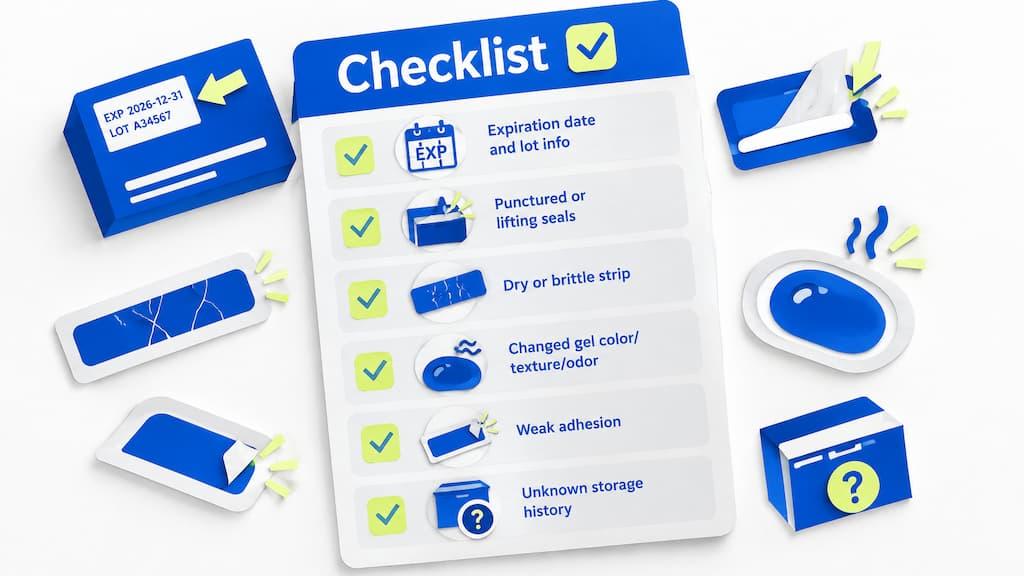
Once you know what old peroxide can do to results, the date and packaging tell you whether your own box is worth using. Look for clues that age or storage may have made the formula less dependable.
-
Check the expiration date printed on the outer box and any date or lot information on the individual foil packets.
-
Look for punctured, leaking, or lifting seals that could allow air and moisture exposure.
-
Notice whether the strip feels unusually dry, brittle, or stiff instead of the flexible pieces you expect.
-
Pay attention to gel that has changed in color, texture, or odor.
-
Watch for weak adhesion, since gaps or sliding can make contact with the teeth less even.
-
If there is no readable date and you do not know how the box was stored, lean toward replacement rather than guessing.
No single visual clue can tell you exactly how much peroxide is left. The goal is to combine the expiration date, packet condition, and storage history into one practical call.
How to Store Whitening Strips So They Keep Their Potency
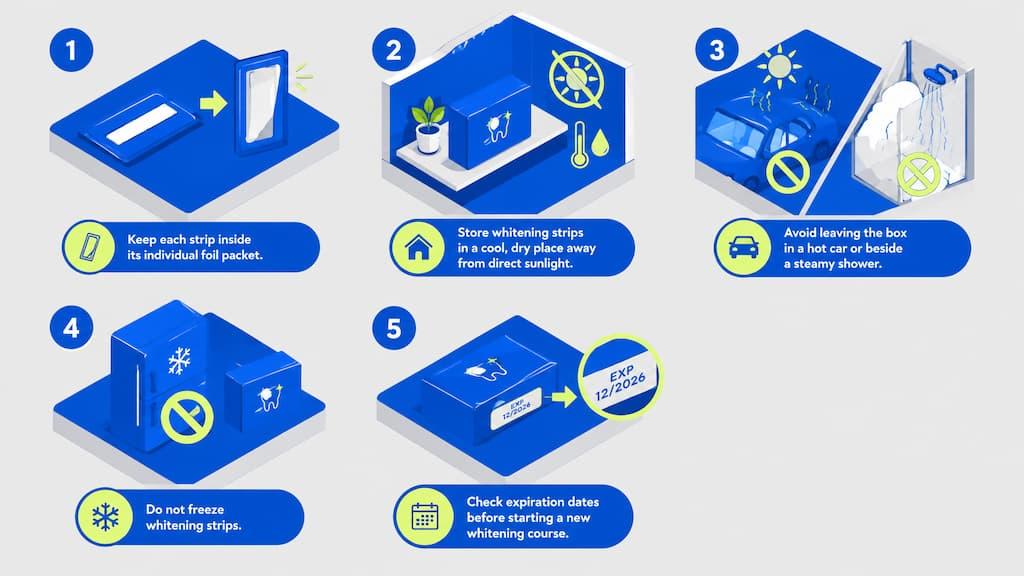
Proper storage can’t reverse an expired formula, but it can help an in-date box make it through its intended shelf life without unnecessary heat or moisture exposure.
-
Keep each strip inside its individual foil packet until you are ready to use it.
-
Store whitening strips in a cool, dry place away from direct sunlight.
-
Avoid leaving the box in a hot car or beside a steamy shower.
-
Keep strips organized in the original box instead of moving loose packets into a zipped plastic bag or random sealed plastic container.
-
Do not freeze whitening strips unless the manufacturer specifically tells you to. A freezer is not a time machine for peroxide.
-
Check expiration dates before starting a new whitening course, especially when a box has been sitting in the medicine cabinet for months.
If you’re trying to work out the normal product timeline, our guide on how long whitening strips last goes deeper into shelf life and routine.
Want a Reliable Alternative to Whitening Strips?
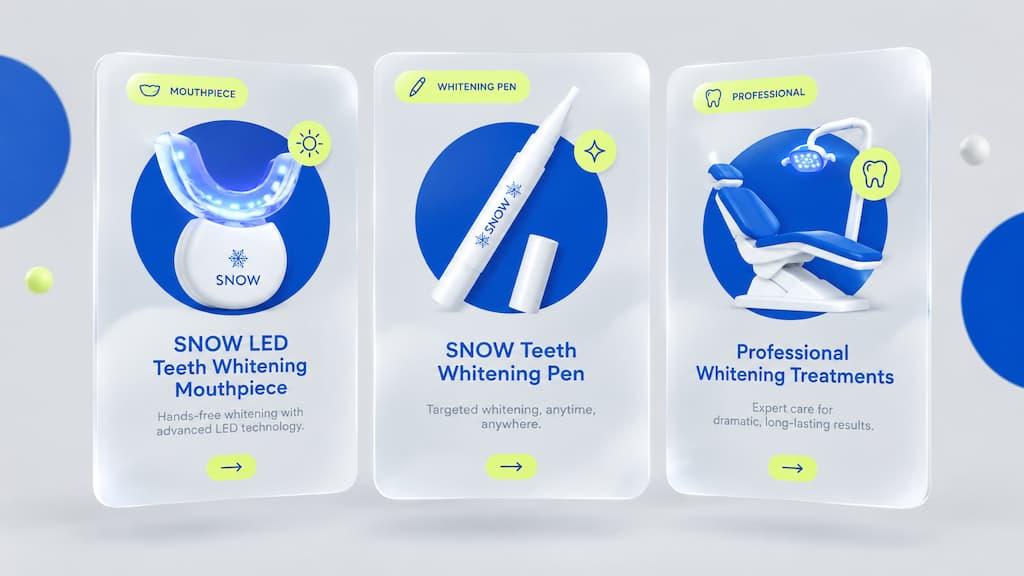
If strips aren’t a routine you want to keep rebuying, another format may suit you better. Just remember that reusable hardware isn’t the same as a whitening formula that never expires. Peroxide-based gels and pens still have their own shelf life and storage directions.
A Reusable LED Mouthpiece Changes the Hardware
The SNOW LED Teeth Whitening Mouthpiece is the reusable part of a device-based routine. It can suit someone who prefers a structured mouthpiece setup over repeatedly placing flexible strips, but the whitening serum used with it is still a consumable formula and should be stored and used according to its own directions.
A Whitening Pen Changes the Application
A SNOW Teeth Whitening Pen is one option among whitening pens, using a brush-on format for more targeted application and quick touch-ups. It takes up less space than a mouthpiece and skips the full-strip format, but its whitening ingredients still have a shelf life.
Professional Whitening Adds Dentist Supervision
Professional whitening treatments can make sense when you want dentist supervision, have stubborn stains, have sensitive teeth, or are unsure whether whitening is appropriate for your mouth. A dental professional can also assess tooth color differences, restorations, or discomfort before you keep cycling through at-home products.
So the better comparison is not strips versus something that lasts forever. It is which whitening format fits your routine well enough that you will use it correctly, store it properly, and actually finish the whitening product while it is fresh.
Brighten Your Routine With SNOW
The Bottom Line on Expired Whitening Strips
Do whitening strips expire? Yes. The reason that matters is what happens to the peroxide over time.
As hydrogen peroxide, or peroxide released from carbamide peroxide, loses potency, expired whitening strips may deliver slower whitening, less noticeable improvement, or uneven results. Poor storage can make that performance even less predictable. And if weak results tempt you to wear strips longer or use more sessions, you can increase sensitivity or gum irritation without restoring the lost whitening power.
Check the date. Check the packet. Think about where the box has been living. If too many parts of that story are a mystery, starting fresh is the simpler move. Your medicine cabinet does not need another underperforming employee.
Choose Your SNOW Whitening Strips
Whitening Strip Expiration FAQs
Still holding the old box and negotiating with yourself? These quick answers cover the smaller expiration questions that tend to come up once you know what aging peroxide can do.
Can I Use Whitening Strips That Are Two Years Old?
Check the expiration date first. Most whitening strips expire within 1 to 2 years, so a two-year-old box may already be outside its intended shelf life depending on when it was made and how it was stored. If the strips are expired, dry, damaged, or were stored around heat or moisture, replace them instead of extending wear time to compensate.
Do Unopened Whitening Strips Expire?
Yes. Individual foil packets help limit air and moisture exposure, but they do not stop active ingredients from aging forever. Check the expiration date printed on the product even when every packet is still sealed.
Do Crest White Strips Expire?
Yes. Crest says its Whitestrips have a shelf life and that the whitening ingredient becomes less effective after expiration. Check the date on the packaging and follow Crest's directions for that specific product.
Should You Freeze Whitening Strips to Make Them Last Longer?
Not unless the manufacturer tells you to. Freezing is not a universal storage method for peroxide-based whitening gel, and temperature changes can introduce condensation. Store strips according to the package directions instead.
Why Did My Old Whitening Strips Stop Working?
The active peroxide may have lost potency, or the gel and adhesion may have changed during storage. Either can lead to reduced effectiveness, less noticeable improvement, or uneven results. If the strips are expired, a fresh box gives you a more reliable baseline. If they are not worth using, whitening toothpaste can be a gentler maintenance option, and activated charcoal toothpaste can absorb surface stains gently.
Can Expired Whitening Strips Hurt Your Teeth?
Expiration itself does not mean it is safe to use expired teeth whitening strips without caution or that the strip suddenly becomes stronger. The bigger concern is compensating for weak results by wearing strips longer or adding sessions, since an aged peroxide based gel may be less reliable, which can increase tooth sensitivity or gum irritation. Follow the labeled routine and stop if you experience discomfort.


