

How oral health impacts heart health is something many people do not realize until problems appear.
Poor oral health leads to periodontal inflammation, allowing bacteria to enter the bloodstream. This systemic inflammation damages endothelial linings and accelerates arterial plaque buildup, increasing cardiovascular disease risk by roughly 10-20% and doubling the risk of stroke.
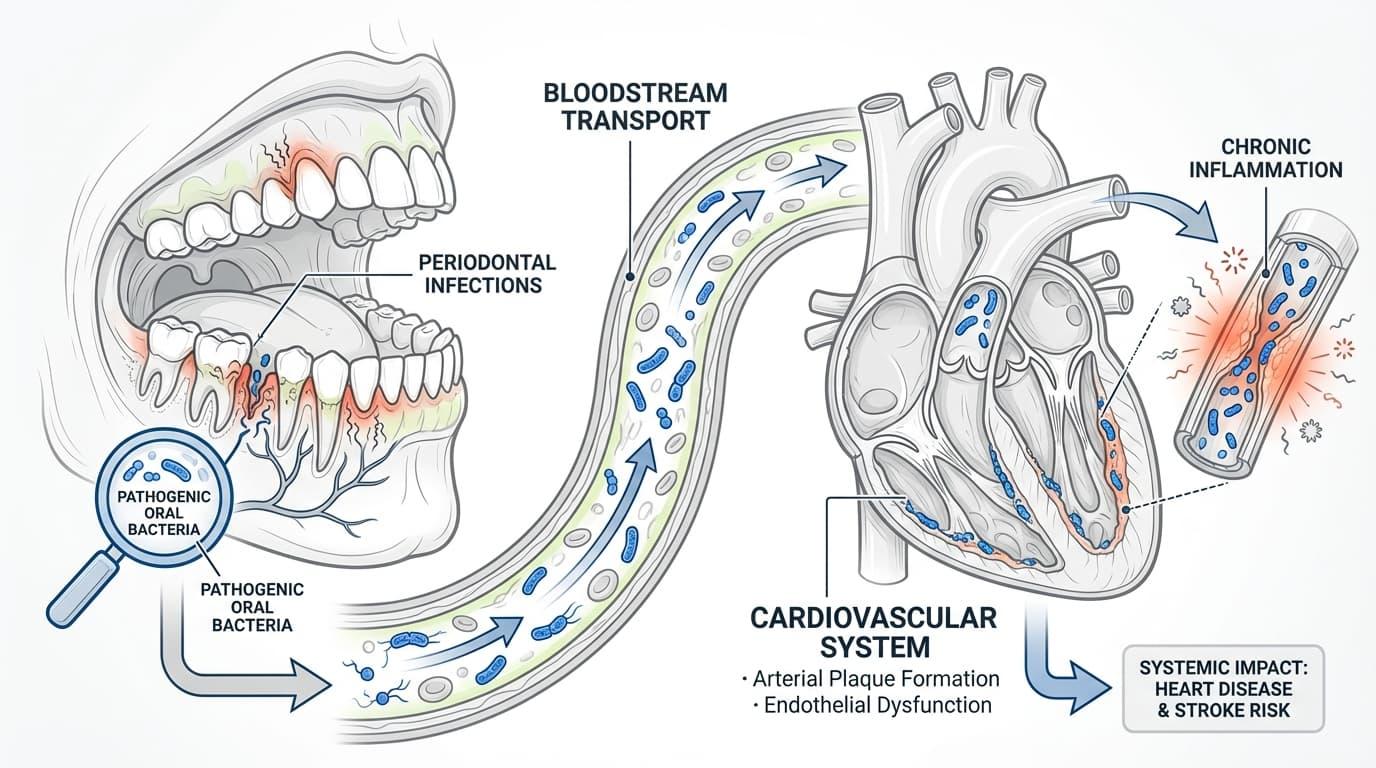
Poor oral health can allow gum disease and periodontal disease to develop, and the inflammation from these infections does not stay in the mouth.
It can travel through the bloodstream and affect the heart, increasing the risk of heart disease and cardiovascular disease. The connection between oral health and heart health is becoming clearer in modern research.
This guide explores the clinically proven connections between dental hygiene and cardiovascular health:
-
How does oral health directly affect heart health?
-
What are the biological pathways linking periodontal disease to cardiovascular risk?
-
How does chronic inflammation from gum disease damage blood vessels?
Key Takeaways
-
Large studies confirm that people with periodontal disease face roughly 10–20% higher risk of cardiovascular disease and more than double the risk of stroke, even after accounting for smoking, diabetes, and other traditional risk factors.
-
Bacteria and chronic inflammation from infected gums can enter the bloodstream, damage blood vessels, and accelerate plaque buildup in arteries—the same process that causes heart attacks.
-
A 2025 UCL clinical trial demonstrated that intensive gum disease treatment measurably reduced carotid artery thickening, translating to approximately 20% lower cardiovascular risk over two years.
-
Protecting your heart starts in your mouth: brush twice daily, floss daily, schedule regular dental cleanings, and manage blood pressure and smoking to reduce your overall cardiovascular risk.
-
Even mild gingivitis can raise inflammatory markers linked to heart disease, so don’t wait for severe symptoms before taking oral health seriously.
How Does Oral Health Directly Affect Heart Health?
For years, we thought of heart disease and oral health as completely separate issues. Historically, cardiologists treated heart disease while dentists independently managed oral health.
But research over the past decade has changed that thinking. Today, many experts recognize that oral health and heart health are closely connected.
Periodontal infections introduce pathogenic oral bacteria into the systemic bloodstream, initiating chronic inflammation that directly attacks the cardiovascular system. Bacteria and inflammation associated with gum disease can enter the bloodstream and affect blood vessels. Over time, this can increase the risk of cardiovascular disease.
The research is becoming difficult to ignore. Studies show that people with gum disease are about 10–20% more likely to develop cardiovascular disease than those with healthy oral health. When poor oral health includes both cavities and gum disease, the risk of stroke can rise even more.
Researchers have linked poor oral health to several serious heart-related problems:
-
Heart attack, with some studies showing about 28% higher risk
-
Stroke, which appears more common in people with gum disease
-
Higher blood pressure in people with periodontal disease
-
Thickening of the carotid artery is an early warning sign of artery damage
At first, some scientists believed the connection between oral health and heart disease might simply reflect lifestyle habits. People who smoke or have unhealthy routines might neglect both their teeth and their heart health.
But larger studies now show the link still appears even when researchers account for those factors. That is why many experts, iincluding the official American Heart Association (AHA) now clinically acknowledge that the causal relationship between periodontal disease and cardiovascular health is real.Taking care of your oral health may be a simple step that helps protect your heart over time.
How Poor Oral Health Affects the Heart: The Biological Pathways
Your gums are full of tiny blood vessels. When they are healthy, they help protect your body from bacteria. But when poor oral health leads to gum disease or periodontal disease, the infection in the gums does not always stay there.
Inflamed gums can allow bacteria and inflammatory substances to enter the bloodstream. From there, they can travel through blood vessels and affect the heart. Over time, this process may contribute to cardiovascular disease.
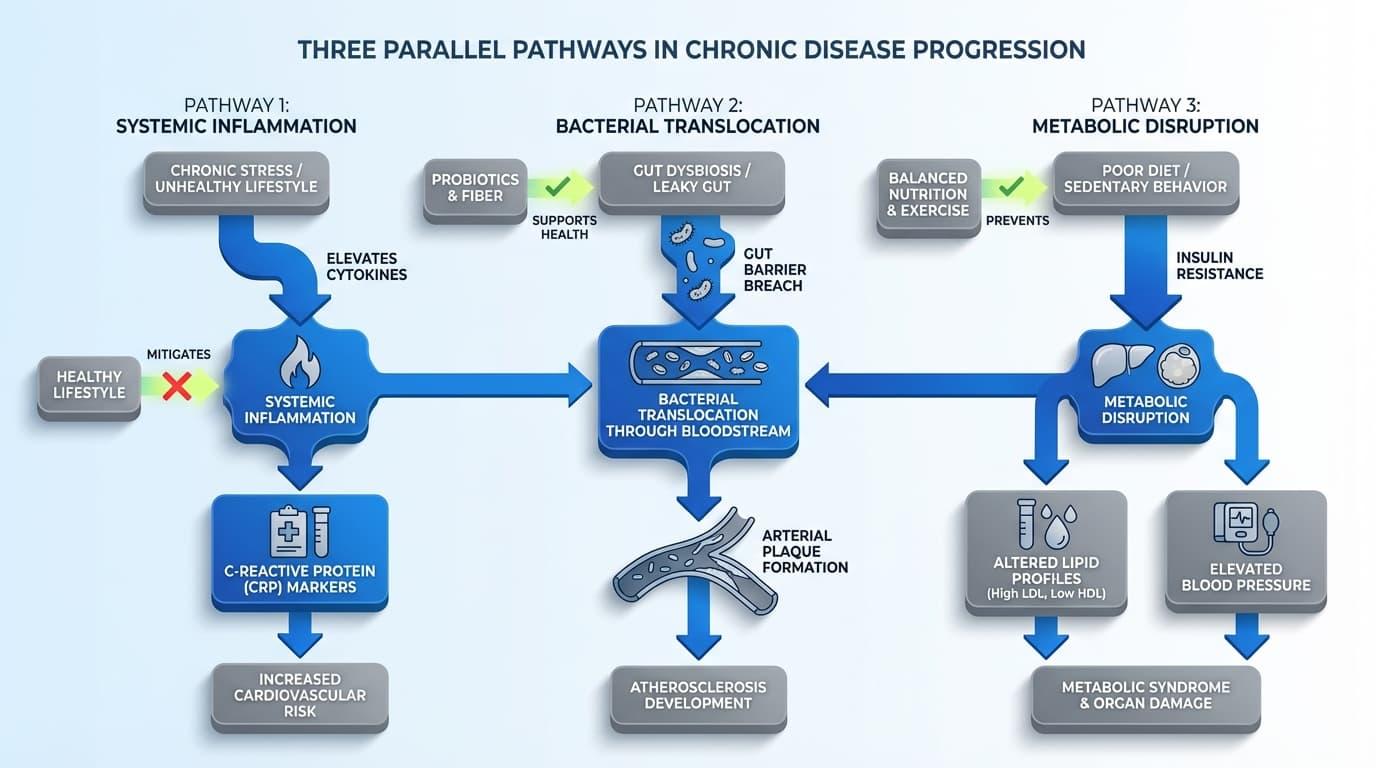
Researchers have identified a few key ways this happens. These biological pathways help explain why oral health and heart health are closely connected.
-
Systemic Inflammation: Chronic immune responses to gum infection elevate C-reactive protein (CRP) markers, spreading inflammation that damages blood vessels.
-
Bacterial Translocation: Pathogenic oral bacteria migrate through the bloodstream to attach to and accelerate arterial plaque formation.
-
Metabolic Disruption: Severe periodontal disease triggers secondary changes in lipid profiles and blood pressure, compounding overall cardiovascular strain.
To better understand the connection, it helps to look at each pathway step by step.
How Chronic Inflammation From Gum Disease Affects Blood Vessels
When gum disease develops, your immune system begins fighting the infection in your gums. That response is helpful at first, but if the infection continues, the body stays in a constant state of inflammation.
This ongoing inflammation can spread beyond the mouth. People with periodontal disease often have higher levels of inflammatory markers in their blood, such as C-reactive protein (CRP) and interleukin-6 (IL-6). Doctors monitor these markers because they are linked to a higher risk of heart disease.
Inflammation can damage the endothelium, the thin inner lining of blood vessels. When this lining becomes irritated, arteries may become stiffer, and plaque can form more easily. This is one of the early steps that can lead to cardiovascular disease.
The good news is that this process may improve when gum disease is treated. Research shows that treating periodontal disease can lower inflammatory markers and improve blood vessel function within a few months.
While inflammation is one part of the story, researchers have also found that bacteria themselves may play a role.
How Oral Bacteria Can Travel From the Mouth to the Arteries
When gums are inflamed, bacteria can sometimes enter the bloodstream during everyday activities like brushing, flossing, or chewing. This process is called bacteremia, and it occurs more often in people with poor oral health.
Once these bacteria circulate in the bloodstream, some can attach to the walls of blood vessels. In fact, researchers have discovered DNA from common oral bacteria inside atherosclerotic plaques, the fatty deposits found in narrowed arteries.
These bacteria may contribute to cardiovascular problems in several ways:
-
triggering inflammation inside blood vessel walls
-
helping plaque build up in the arteries
-
making plaques more unstable
-
increasing the risk of blood clots
This does not mean bacteria from the mouth are the only cause of artery disease. However, when gum disease allows infection to persist, these microbes may pose an additional risk for heart disease.
Beyond inflammation and bacteria, scientists have also found that poor oral health may influence other factors that affect the heart.
How Gum Disease Can Influence Cholesterol, Blood Pressure, and Artery Health
Chronic periodontal disease does more than irritate the gums. It can also influence the body’s metabolism and blood vessels.
Research shows that people with long-term gum disease often have an unhealthy cholesterol pattern, including:
-
Higher LDL cholesterol
-
Higher triglycerides
-
Lower HDL cholesterol
These changes can encourage plaque buildup in arteries, increasing the risk of cardiovascular disease.
Blood pressure may also be slightly higher in people with poor oral health. Studies show that individuals with periodontal disease tend to have modest increases in blood pressure compared with those who maintain good oral health.
Researchers also see physical changes in arteries associated with gum disease, including:
-
Thicker carotid artery walls
-
Reduced artery flexibility
-
Impaired blood vessel relaxation
One recent UCL and NIHR clinical trial in 2025 found that treating severe periodontal disease reduced carotid artery thickness over two years. Because small reductions in artery thickness are linked to lower cardiovascular risk, this finding suggests that improving oral health may help support better heart health over time.
Together, these pathways help explain why dentists and cardiologists are increasingly paying attention to the connection between oral health and heart health. Taking care of your gums may play a larger role in protecting your heart than many people realize.
How Big Is the Risk? What the Studies Actually Show
Not everyone with gum disease will develop heart disease. But research shows that poor oral health can increase the risk of cardiovascular disease over time. People with periodontal disease tend to have a higher chance of heart problems compared with those who maintain good oral health.
Studies help show what that risk may look like.
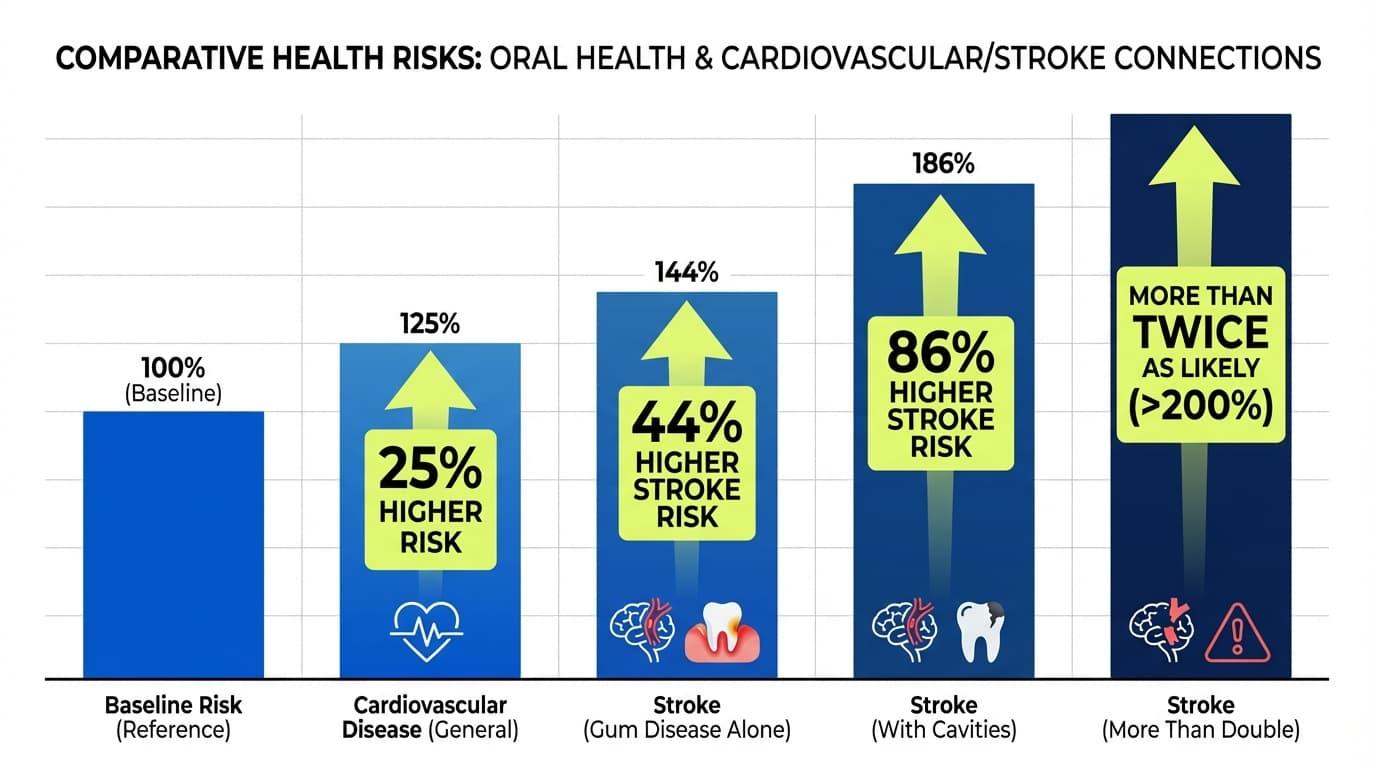
Research comparing people with and without gum disease has found:
-
Cardiovascular disease: about 25% higher risk in people with periodontal disease
-
Stroke: more than twice as likely in some studies
-
Gum disease alone: around 44% higher stroke risk
-
Gum disease with cavities: up to 86% higher stroke risk and 36% higher risk of major heart events
Researchers also notice another pattern. People who lose many teeth often have higher rates of cardiovascular disease. This may reflect many years of poor oral health, repeated infections, and long-term inflammation.
It is important to understand what these numbers mean. Most studies show a strong connection between oral health and heart health, but scientists are still studying how much treating gum disease can directly reduce the risk of heart attack or stroke.
Even so, the evidence points in the same direction. Maintaining good oral health may help lower systemic inflammation and reduce the risk of heart disease over time.
Who Is Most at Risk When Oral and Heart Health Collide?
Some people may face greater risks when poor oral health and heart disease occur together. If other health conditions already affect the heart, untreated gum disease can add another layer of strain on the body.
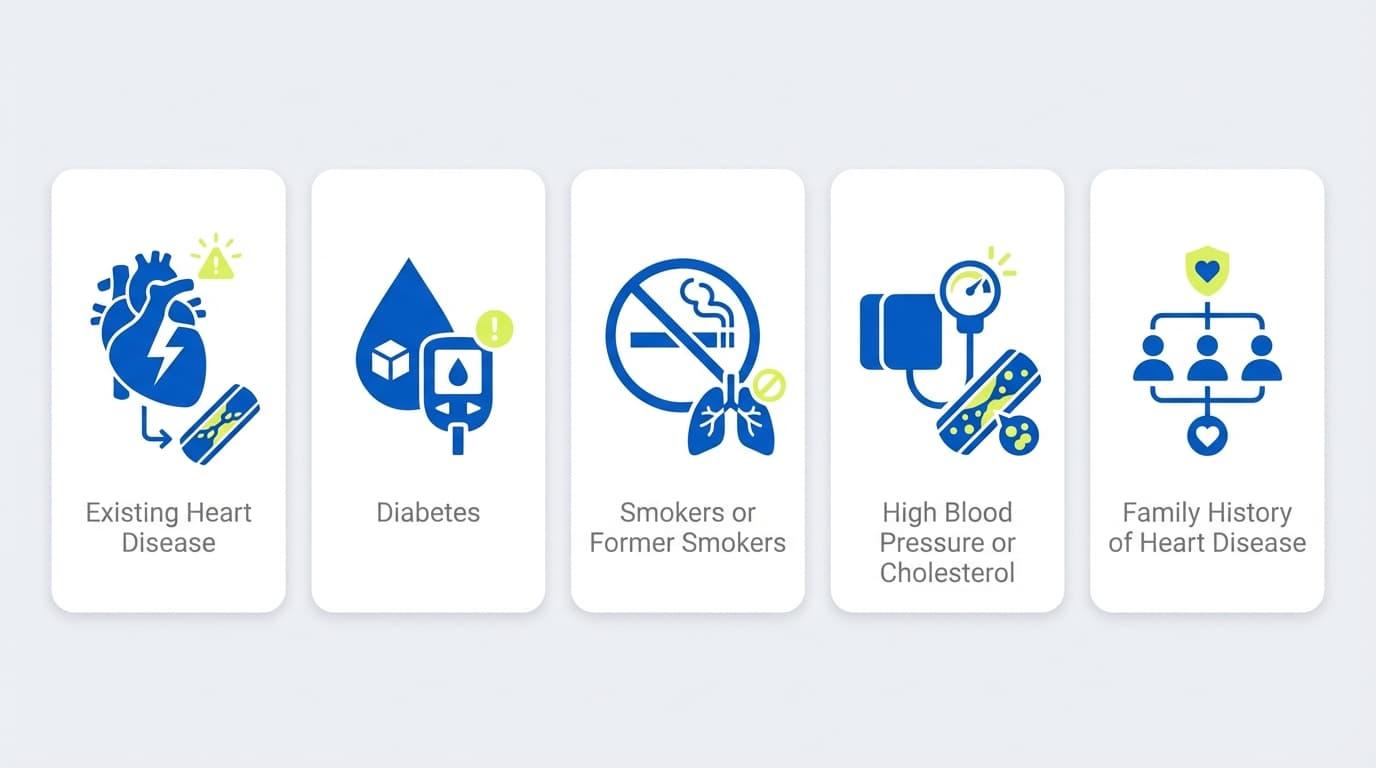
Certain groups may need to pay closer attention to their oral health, including:
-
People who already have heart disease, such as coronary artery disease or heart failure
-
People with diabetes, since diabetes and periodontal disease can worsen each other
-
Smokers or former smokers, because smoking harms both the gum tissue and the blood vessels
-
Individuals with high blood pressure or high cholesterol, which already increases cardiovascular risk
-
Those with a family history of heart disease, where genetics may play a role
It can also help to watch for early signs of poor oral health. Bleeding gums, frequent gum swelling, persistent bad breath, or loose teeth can all signal gum disease that may need attention.
Access to dental care can make a difference as well. People who delay cleanings or struggle to access dental services may experience untreated periodontal disease for longer periods of time.
Some individuals require extra caution. People with artificial heart valves, certain congenital heart conditions, or a history of infective endocarditis may face serious complications if oral bacteria enter the bloodstream. For these patients, doctors may recommend preventive antibiotics before certain dental procedures.
For anyone in these groups, protecting oral health is important for overall health, including the heart.
From Mouth to Heart: Practical Steps to Lower Your Risk
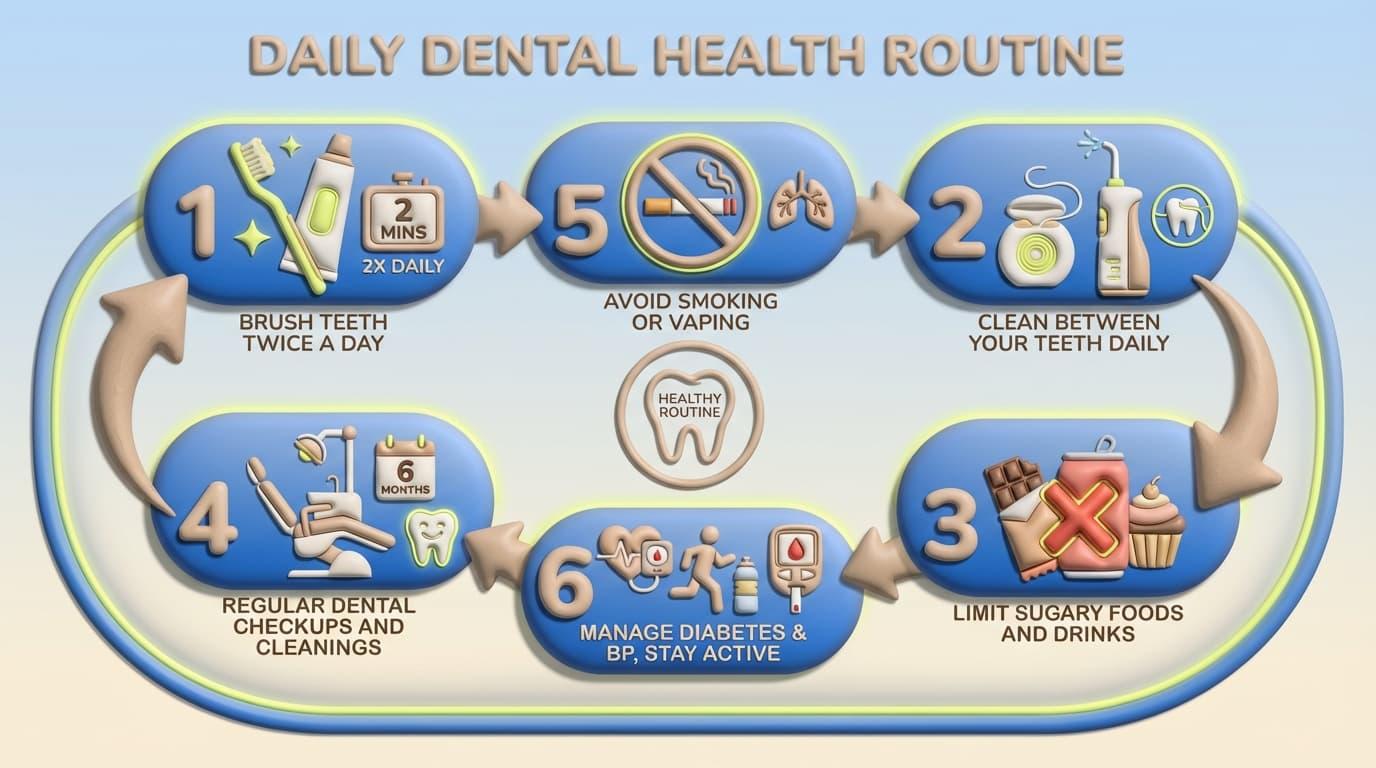
The encouraging aspect of the connection between oral health and heart health is that manyprotective steps are simple. Daily habits that keep your mouth clean can also help reduce inflammation in the body and support better long-term health.
Daily Habits That Support Oral Health
A consistent routine is the foundation of good oral health. Small actions done every day help control bacteria and prevent gum disease from developing.
-
Brush your teeth twice a day with fluoride toothpaste, spending about 2 minutes each time.
-
Clean between your teeth daily, using floss, interdental brushes, or a water flosser to remove plaque where brushing cannot reach.
-
Limit sugary foods and drinks, since they feed bacteria that contribute to gum infection.
-
Use mouth rinses when recommended by your dentist, but remember they support brushing and flossing rather than replacing them.
Many people also explore options within the SNOW Oral Care Collection, which focuses on simple tools that make oral care easier to maintain.
Explore the SNOW Oral Care Collection
Regular Dental Care
Daily routines work best when they are combined with professional dental care. Regular visits help detect early signs of gum disease and prevent small issues from becoming larger problems.
-
Schedule dental checkups and cleanings regularly, often every six months.
-
Follow your dentist’s treatment recommendations if early signs of gum inflammation appear.
-
Avoid delaying dental appointments, since early care helps protect long-term oral health.
Lifestyle Habits That Support The Heart
Your oral care routine also works best when it fits into a healthy lifestyle overall. Habits that protect the heart often support oral health as well.
-
Avoid smoking or vaping, which damages both gum tissue and blood vessels.
-
Manage conditions such as diabetes and high blood pressure with your doctor's guidance.
-
Stay physically active and maintain a healthy weight to support cardiovascular health.
-
Limit alcohol consumption, since excessive alcohol can dry the mouth and affect oral health.
For people who already live with heart conditions or multiple risk factors, communication between healthcare providers can be helpful. Letting your dentist and physician know about your health history helps ensure that both your oral health and heart health are considered together.
Common Myths and What the Evidence Really Says
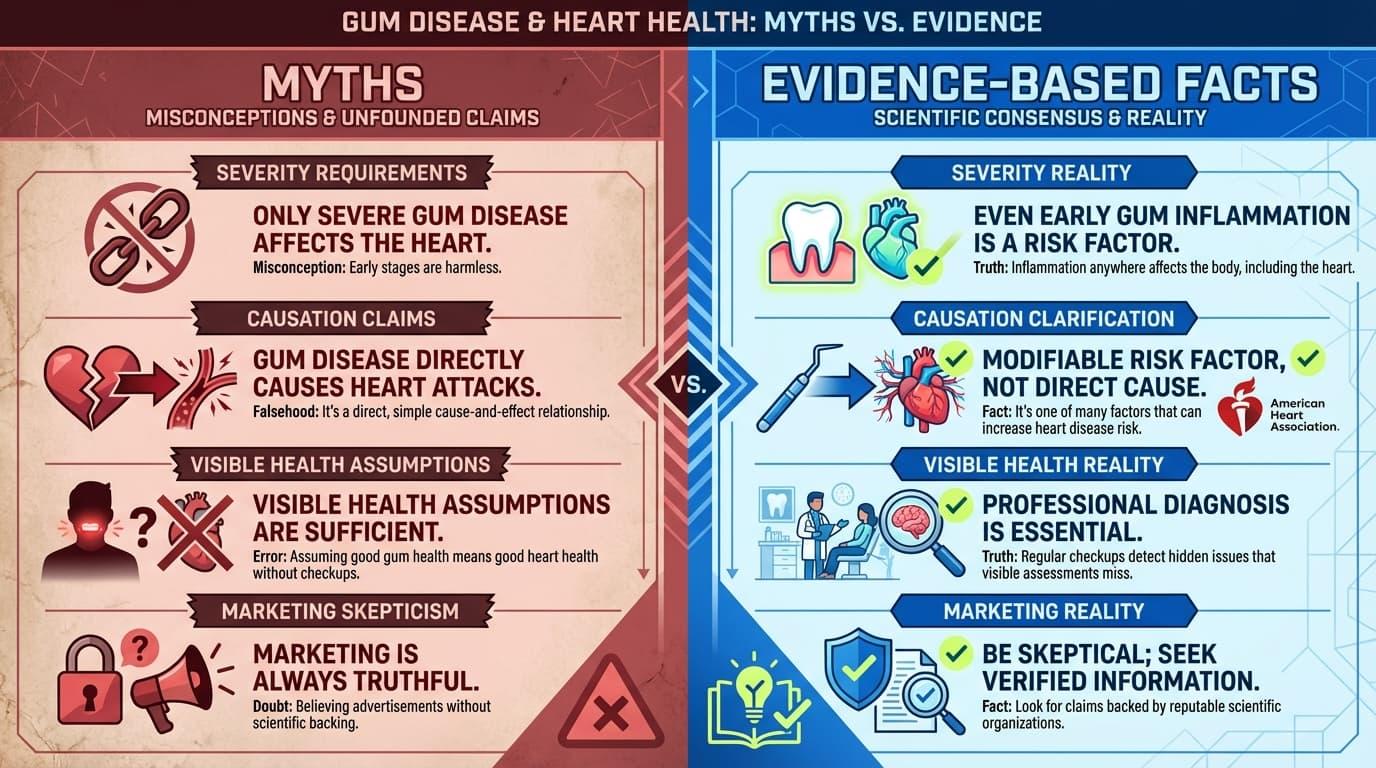
Because the connection between oral health and heart health is still surprising to many people, a few common myths continue to circulate. Some exaggerate the risk, while others cause people to overlook real warning signs. Looking at what research actually shows can help clarify things.
Myth: Only Severe Gum Disease Affects the Heart
It is easy to assume that only advanced gum disease matters. In reality, even early gum inflammation can affect the body.
Studies show that gingivitis, the earliest stage of gum disease, can increase inflammatory markers linked to heart disease. You do not need advanced periodontal disease for inflammation to begin influencing overall health.
Myth: Gum Disease Directly Causes Heart Attacks
Research does not suggest that gum disease alone causes heart attacks. Instead, periodontal disease is considered a modifiable risk factor, similar to high cholesterol or high blood pressure.
This means poor oral health can contribute to cardiovascular disease, especially when combined with other factors like smoking, diabetes, or high blood pressure.
Myth: If Teeth Look Healthy, Gums Must Be Healthy Too
Healthy-looking teeth do not always mean healthy gums. Early gum disease often develops quietly.
In many cases, infection lies below the gumline, where it is not easily visible. Without regular dental checkups, poor oral health can progress for years before symptoms become noticeable.
Myth: The Oral–Heart Connection Is Just Marketing
The relationship between oral health and heart health is not based on marketing claims. Large reviews that analyze many studies consistently find a link between poor oral health, gum disease, and cardiovascular disease.
As mentioned above, organizations such as the American Heart Association acknowledge this growing body of evidence. While scientists continue to study the exact biological pathways, the connection itself is widely recognized.
When to Talk to Your Dentist and Cardiologist Together
Your mouth and your heart are connected parts of your health. Because of that, there are times when it helps for your dentist and doctor to understand what is happening with both your oral health and your heart.
If you already have heart disease or other health risks, sharing information between your healthcare providers can help prevent problems and support better care.
Situations When It May Help to Involve Both Providers
Sometimes, a simple conversation between your dentist and doctor can make treatment safer. This may be helpful in situations like these:
-
You are diagnosed with gum disease and already have heart disease or a history of stroke
-
You need a major dental procedure and take blood thinners
-
You have repeated dental infections and also have heart conditions, such as heart failure or irregular heartbeat
-
You recently experienced a heart event and want to understand possible contributing factors
Simple Steps That Help Coordinate Care
Keeping your providers informed can make your care smoother and safer.
-
Bring an updated list of medications to dental appointments, especially if you take blood thinners or diabetes medication
-
Ask your doctor whether antibiotics are needed before certain dental procedures
-
Let your dentist know about heart conditions or recent medical changes
-
Ask whether gum health could be affecting your overall health, especially if you have diabetes or high blood pressure
Taking care of oral health early is often easier than treating advanced gum disease later. Regular dental visits and open communication with your healthcare providers can help protect both your mouth and your heart.
Final Words
Taking care of your mouth is one of the simplest ways to support your overall health. Research continues to show that oral health, gum disease, and heart disease are closely connected through inflammation and bacteria that affect the body over time. The good news is that small daily habits can make a meaningful difference.
Brushing well, cleaning between teeth, and maintaining regular dental visits all help reduce the risks associated with poor oral health and cardiovascular disease. Making these routines easier is what matters most.
Many people find that simple tools designed for daily consistency help maintain better habits. The SNOW Oral Care Collection focuses on making everyday oral care easier to keep up with, so protecting your oral health and heart becomes part of a routine that actually lasts.
Explore the SNOW Oral Care Collection
FAQs
Quick answers to common questions about the connection between oral health, gum disease, and heart health.
Can treating gum disease actually lower my chances of a heart attack?
Treating gum disease may help lower the risk of heart disease by reducing inflammation and improving blood vessel health. Some clinical studies have shown improvements in arterial markers following periodontal treatment. While more long-term research is still needed, treating gum disease is considered an important step in reducing overall cardiovascular risk.
If I have healthy teeth but sometimes bleeding gums, should I worry about my heart?
Bleeding gums usually signal gingivitis, an early stage of gum disease. This inflammation can contribute to overall health risks if it continues over time. A dental checkup can help identify the cause and prevent it from progressing.
How often should someone with heart disease see the dentist?
Most people with heart disease should see the dentist at least twice a year for cleanings and exams. Some may need more frequent visits if they have gum disease or other risk factors. Your dentist can recommend a schedule based on your oral health.
Do I need antibiotics before dental work if I have a heart condition?
Most heart conditions do not require antibiotics before routine dental procedures. However, people with certain high-risk conditions, such as artificial heart valves or a history of infective endocarditis, may need them. Your dentist and cardiologist can help determine what is appropriate for you.
Is using mouthwash enough to protect my heart if I don’t like flossing?
Mouthwash can help reduce bacteria, but it cannot replace cleaning between teeth. Plaque often builds up where brushing and rinsing cannot reach. Using floss, interdental tools, or a water flosser in addition to brushing provides more comprehensive oral care.


