
Whitening-induced sensitivity is a temporary condition caused when peroxide agents penetrate the enamel and dehydrate the dentin, stimulating the nerves. While it affects up to 78% of patients, symptoms typically resolve within 24–72 hours.
This guide explains why this reaction occurs during the teeth whitening procedure , who is most at risk, and the evidence-based protocols to prevent it.
Key Takeaways
-
Whitening-induced tooth sensitivity affects 67–78% of patients
-
Caused by peroxide penetrating the enamel and stimulating nerves
-
Pre-treatment with potassium nitrate toothpaste cuts risk by up to 40%
-
Professional treatments are less irritating than OTC kits
-
Most symptoms resolve in 24–72 hours; longer discomfort may signal a problem
Why Does Whitening Make Teeth Sensitive?
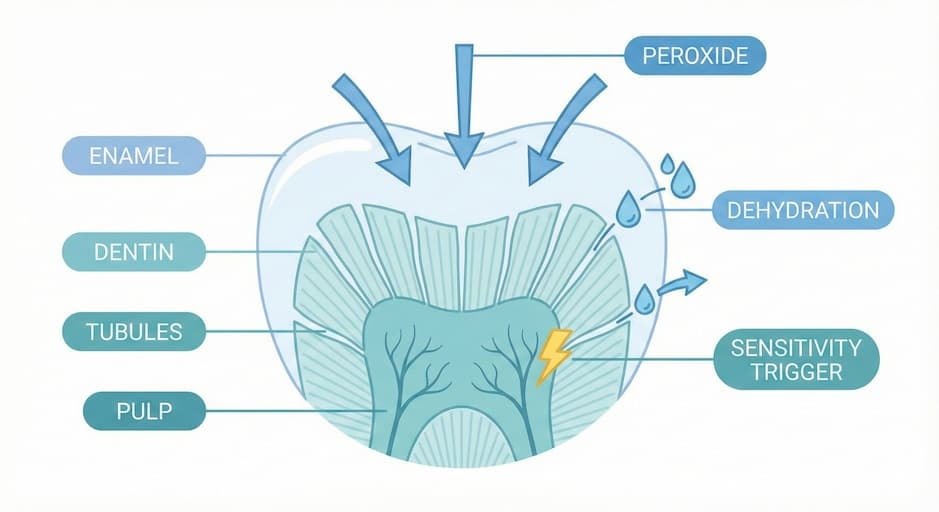
Whitening sensitivity occurs because peroxide agents penetrate the enamel to reach the dentin layer, exposing microscopic tubules that lead to the tooth’s nerve center.
As hydrogen or carbamide peroxide diffuses, it causes temporary dehydration and stimulates the pulpal sensory nerves.
This reaction creates the sharp, transient 'zings' or thermal sensitivity that users often experience during treatment
Two core causes:
-
Overdiffusion of peroxide into the pulp
-
Dehydration caused by whitening gel ingredients
Despite being hydrophilic, whitening gels pull moisture from your teeth; using an anti sensitivity toothpaste can help mitigate this issue . This dries the enamel and increases sensitivity. Studies show that the enamel becomes temporarily porous, and calcium and phosphate ions can be lost during this phase. These effects are temporary, but they contribute to the discomfort many users report.
Who Is Most at Risk for Whitening Sensitivity?
To better manage whitening sensitivity and find the right teeth whitening for sensitive teeth , you need to know who is most at risk and why it happens.
Clinical studies confirm that 67–78% of whitening patients experience sensitivity. The likelihood varies by method, tooth condition, and individual biology.
Most sensitive groups:
-
Patients with thin enamel, exposed roots, or gum disease
-
Those using high-concentration gels
-
People aged 25–45 (often due to lifestyle factors like coffee, wine, and frequent whitening)
Sensitivity rates by product:
-
35% hydrogen peroxide: 60–75%
-
10% carbamide peroxide: 45–55%
-
Whitening strips: 70–85%
-
Professional whitening: 45–60% (with proper prep)
Hormones, enamel genetics, and prior dental treatments also impact sensitivity levels. If you're unsure where you fall, consult a dental professional before choosing a treatment.
How Long Does Sensitivity Last After Whitening?
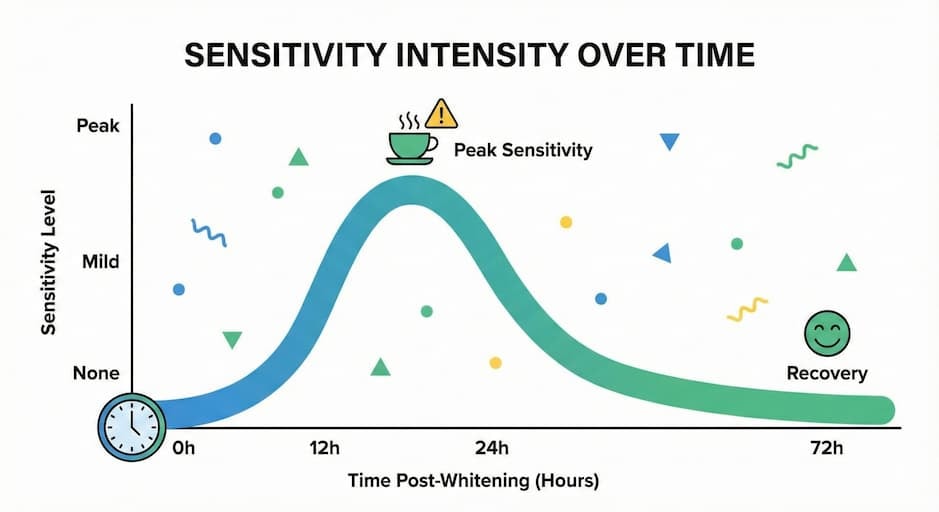
Knowing what to expect during the whitening process can make it way less stressful. Most people experience some sensitivity, especially to hot and cold foods, but it’s usually short-lived and manageable if you plan.
What the typical timeline looks like
2–4 hours after whitening: This is when sensitivity usually starts. As hydrogen peroxide or carbamide peroxide in your whitening gel gets into the deeper layers of your teeth, it can make nerves more reactive. You might feel a little zap of pain when drinking something cold.
12–24 hours after treatment: Sensitivity is usually strongest here. Things like cold foods, hot coffee, or acidic foods (like citrus or soda) can really make your teeth twinge. This is entirely normal — your tooth enamel is just slightly dehydrated from the whitening process.
24–72 hours: For most people, sensitivity declines to baseline within this window. Avoid whitening toothpastes, icy drinks, or aggressive brushing during this period. Use gentle teeth-whitening products and allow your enamel to recover.
When it might be more than normal
If your teeth still hurt after 3 days, or the pain feels deep or constant, it could be from:
-
Overusing home whitening kits
-
Applying too much gel
-
Having gum disease or other dental issues
-
Sensitive areas in your enamel or nerve inflammation
When in doubt, consult your dentist before proceeding.
Want a gentler way to whiten?
Try Snow’s Sensitive Teeth Whitening Kit; it’s made for people with sensitive teeth and provides real results without the sting.
Shop the Snow Sensitive Kit and whiten comfortably
How Can You Prevent Sensitivity Before It Starts?
If you’ve experienced sharp zings or aching after whitening, you’re not alone — but you can prevent it. The latest research shows that sensitivity isn’t just an unlucky side effect of whitening agents , it’s something you can actively reduce with the proper steps. Clinical studies support targeted pre-whitening strategies that strengthen tooth enamel, reduce sensitivity by up to 40%, and calm nerves.
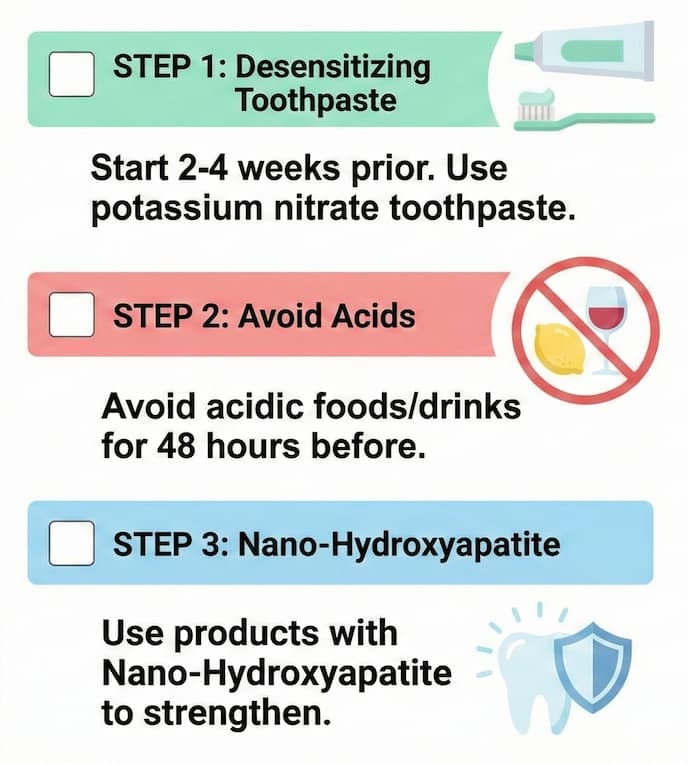
Below are the three most effective ways to prep your smile before whitening. Whether you’re using whitening gels, home whitening kits, or planning for professional whitening treatments, these strategies will help you feel confident and comfortable.
1. Pre-Treatment Desensitizing: Calm the Nerves Before You Brighten
Patients should begin using a potassium nitrate toothpaste 2 to 4 weeks prior to treatment to block the repolarization of nerve endings in the dentin.
A meta-analysis confirms that combining 5% potassium nitrate with sodium fluoride reduces nerve excitability by up to 40%.
According to a meta-analysis, the use of 5% potassium nitrate combined with sodium fluoride significantly reduces whitening-induced sensitivity.
Fluoride toothpaste further supports enamel health by reinforcing the mineral structure and protecting dentinal tubules from being exposed during whitening.
If you’ve ever felt pain while eating cold foods like ice cream or sipping hot drinks after whitening, this step is crucial. Allowing your teeth time to adapt helps them tolerate hydrogen peroxide or carbamide peroxide treatments more effectively.
Pro tip: Start brushing twice daily with a desensitizing toothpaste and avoid whitening toothpastes during this phase; they may be too abrasive and counterproductive before whitening.
2. Avoid Acidic Foods to Prevent Enamel Erosion
In the 48 hours preceding whitening, avoid acidic foods and beverages, including citrus fruits, soda, vinegar-based dressings, and wine. These items have pH levels below 5.5, which weakens the mineral matrix of your tooth enamel, making it more vulnerable to hydrogen peroxide penetration.
Research shows that exposure to acids softens enamel and increases the risk of surface demineralization, especially when followed by bleaching.
Enamel prism exposure occurs faster when the mouth is repeatedly exposed to erosive acids, increasing post-whitening tooth sensitivity.
This doesn’t mean you need to go on a strict “white diet” for days, but a short-term break from erosive foods gives your enamel time to recover and fortify itself. It can make a noticeable difference in how your teeth respond to the whitening process.
Avoid acidic foods and drinks for 1–2 days before whitening to reduce enamel erosion and discomfort during treatment.
3. Advanced Ingredients: Strengthen and Protect with Nano-Hydroxyapatite
If you’re looking for cutting-edge enamel support, nano-hydroxyapatite can be found in many sensitive teeth whitening products and is one of the most exciting ingredients in modern dental care. It mimics the natural structure of enamel, bonding to weakened areas and promoting remineralization of early enamel lesions.
Clinical studies have shown that nano-hydroxyapatite can reduce post-whitening sensitivity compared to many over the counter products , while also contributing to safer whitening by creating a smoother, more resistant enamel surface.
Unlike traditional fluoride, which strengthens enamel chemically, nano-hydroxyapatite does so structurally, rebuilding micro-defects left behind after daily wear or whitening.
Snow’s Magic Powder includes nano-hydroxyapatite and works seamlessly with your brushing routine. Just sprinkle it onto your toothpaste for a powerful boost in enamel repair and whitening support.
Adding this powder to your pre-whitening routine can protect against irritation from whitening toothpastes, home whitening kits, or in-office bleaching sessions. Additionally, it supports brighter, more even results with a lower risk of discomfort.
Upgrade your prep with Snow’s Magic Powder
What Pre-Treatment Protocols Do Dentists Use?
If you're going to get your teeth whitened at the dentist, there are special steps they can take to make sure it doesn’t hurt and that it works well.
-
Strong desensitizers: Dentists use special gels with ingredients like potassium nitrate or fluoride before starting. These help calm the nerves in your teeth and make the surface stronger, so whitening won’t hurt as much.
-
Custom trays: Dentists make trays that fit your teeth exactly. This helps spread the whitening gel evenly and keeps it off your gums, which means less pain and better results.
-
Lower peroxide to start: Dentists often start with a gentle version of the whitening gel and slowly make it stronger. This gives your teeth time to get used to it and avoids sensitivity.
-
Shorter whitening time: The first few times, the dentist may only whiten for 15 to 20 minutes to see how your teeth feel. That way, they can stop if it starts to hurt.
Snow includes similar advanced protocols in its LED Mouthpiece Whitening System, offering pro-level results in the comfort of your home. It combines customized application and safe peroxide levels to help you whiten your teeth with minimal discomfort.
Try Snow's LED Whitening System
How Do You Relieve Pain During and After Whitening?
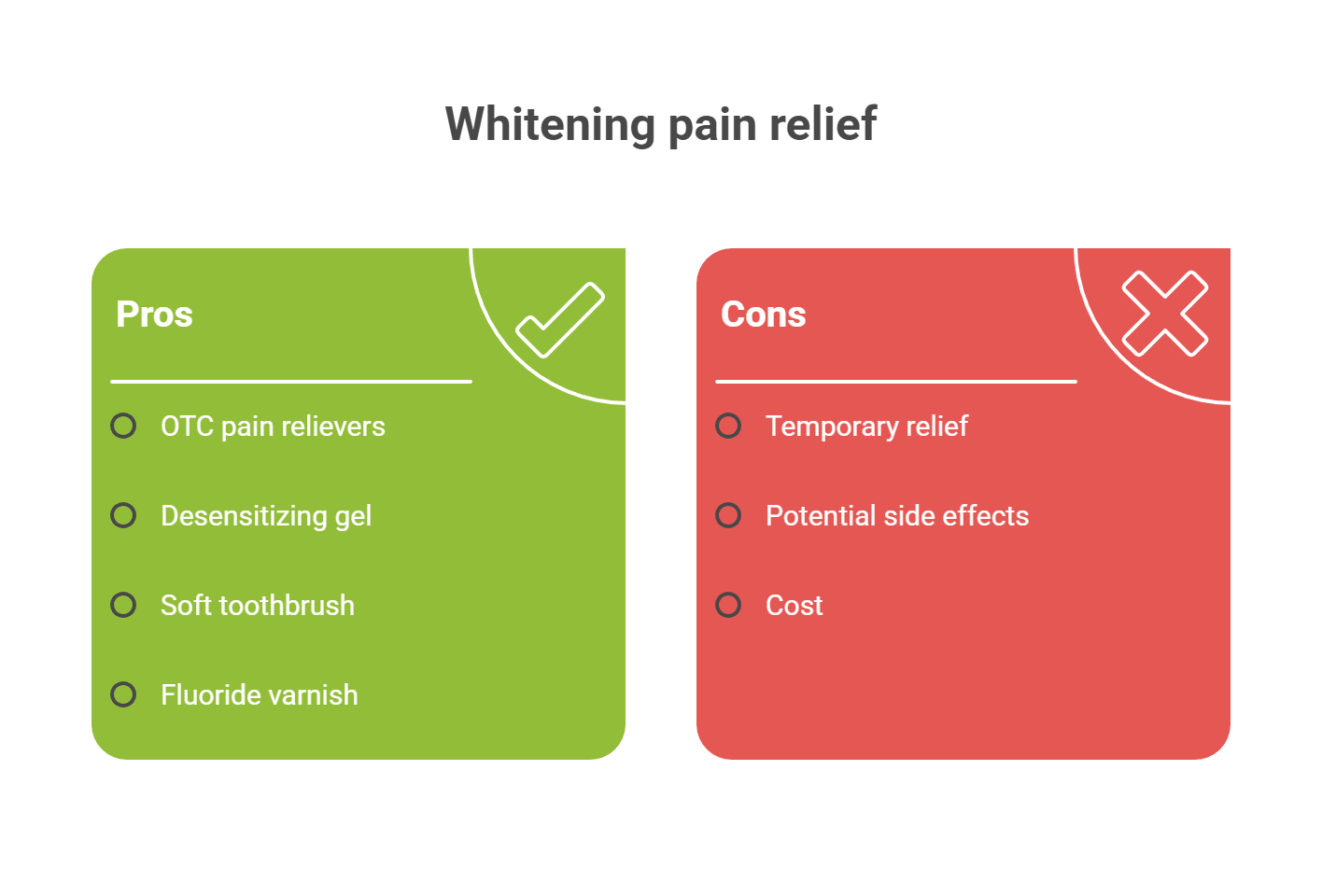
Sometimes, even with preparation, discomfort still arises. Here's what to do when it does.
-
Take OTC pain relievers: Use pain medication like ibuprofen or acetaminophen about an hour before your whitening session. This reduces inflammation and dulls nerve response during the whitening process.
-
Apply desensitizing gel: Gels with potassium nitrate or arginine can be applied directly to sensitive areas. These block the signals sent by nerves within your teeth, providing rapid relief.
-
Avoid hot or cold foods and drinks: Stick to room-temperature foods and beverages for 48 to 72 hours post-treatment. Hot coffee, ice cream, and citrus fruits can trigger sharp pain.
-
Use a soft-bristle toothbrush: Soft bristles prevent mechanical abrasion on dehydrated enamel, allowing the dentinal tubules to rehydrate and seal naturally.
-
Request fluoride varnish: In-office fluoride treatments after whitening can accelerate enamel remineralization and create a protective barrier against future sensitivity.
These simple steps are beneficial for individuals using home whitening kits or whitening strips without professional guidance. They can also reduce discomfort from higher concentrations of bleaching agents.
Advanced Management Techniques
For chronic or severe sensitivity cases, newer therapies may help.
-
Laser therapy: Low-level light treatments reduce nerve hypersensitivity
-
Remineralizing agents: MI Paste Plus and similar products rebuild enamel structure
-
NSAID gels: Provide localized relief without systemic medication
Always stop whitening immediately if pain lasts more than six hours or you notice visible enamel changes.
Is Professional Whitening Less Painful Than OTC Kits?
Choosing between professional and over-the-counter whitening? Sensitivity levels can help guide your decision.
|
Feature |
Professional Whitening |
Over-the-Counter (OTC) |
|
Sensitivity Rate |
45% to 60% |
70% to 85% |
|
Peroxide Strength |
15% to 35% |
3% to 10% |
|
Custom Fit Trays |
Yes |
No |
|
Dentist Supervised |
Yes |
No |
Although over-the-counter (OTC) whitening products contain weaker ingredients, they can still cause increased tooth sensitivity. That’s because people wear them too long, the trays don’t fit well, and there’s no dentist to check if it’s safe.
Professional whitening is different. Dentists use special ways to protect your teeth and gums, so there’s less chance of pain or irritation.
That’s why kits like Snow’s whitening system are a wise choice. They’re made to be easy to use at home, but still keep your teeth safe and comfortable.
When to Seek Professional Help
Don't wait too long to speak up if things feel off. Sensitivity is common, but certain signs call for urgent care.
Call your dentist if:
-
Pain lasts more than 6 hours post-treatment
-
Sensitivity lasts beyond 72 hours
-
You feel throbbing pain or see enamel changes
Normal symptoms:
-
Sharp, brief pain that fades in a few days
-
Sensitivity triggered only by extreme temperatures
Document your pain level, triggers, and duration. This helps your provider tailor your whitening protocol next time.
What New Technologies Are Reducing Whitening Pain?
Science is rapidly evolving in the whitening space. Here are key developments to watch:
-
Nano-scale imaging confirms that whitening causes temporary, reversible enamel changes
-
Bioactive desensitizers like nano-silver fluoride and peptide-based products show promise
-
LED whitening systems reduce sensitivity by activating peroxide without excess heat
-
Smart gels adjust intensity based on pH, avoiding overexposure
-
Genetic screening may soon allow personalized whitening plans based on sensitivity risk
As research progresses, brands like Snow are expected to lead innovation in pain-free whitening.
Final Words
You don’t need to go through pain to get a whiter smile. With a little planning and the right steps, you can make your teeth whiter and keep them feeling good at the same time.
Snow’s whitening products are made to help with sensitive teeth and keep your enamel safe. Their LED kits, Magic Powder, and special boosters for sensitive teeth make it easier to whiten your teeth without discomfort.
FAQs
Is tooth sensitivity from whitening a sign of damage?
No, tooth sensitivity during whitening doesn’t mean your teeth are damaged. It usually happens when the whitening gel dries out the teeth or slightly irritates the nerves inside. This is common and should go away in a few days. If the pain lasts more than a week, or if it gets worse, visit your dentist.
Can I keep whitening if my teeth feel sensitive?
Yes, if the sensitivity is mild, you can keep whitening your teeth. Just try using the gel for a shorter time, take more days off between sessions, and use toothpaste made for sensitive teeth. But if the pain is sharp or doesn't get better, stop the procedure and talk to your dentist.
Do whitening toothpastes cause the same pain as whitening treatments?
Not usually. Whitening toothpastes use lower concentrations of whitening ingredients, so they’re gentler. But using them too often or brushing too hard can still make teeth feel sensitive, especially if you already have thin enamel or eat a lot of acidic foods like red wine or citrus.
How do I know if my sensitivity is normal or needs a dentist?
Some pain or sensitivity for 1–3 days is normal. But if it lasts longer than a week, gets worse, makes it hard to eat certain foods, or keeps you up at night, it could be more serious. See your dentist to make sure there’s no deeper issue with your enamel or tooth structure.
Will using products for sensitive teeth make whitening not work?
No. Products such as desensitizing toothpaste or fluoride gels are safe for use during whitening. They help protect your enamel and calm the nerves inside your teeth. In fact, using them can help you finish your whitening procedure more comfortably, which boosts results and your self-confidence in the long run.